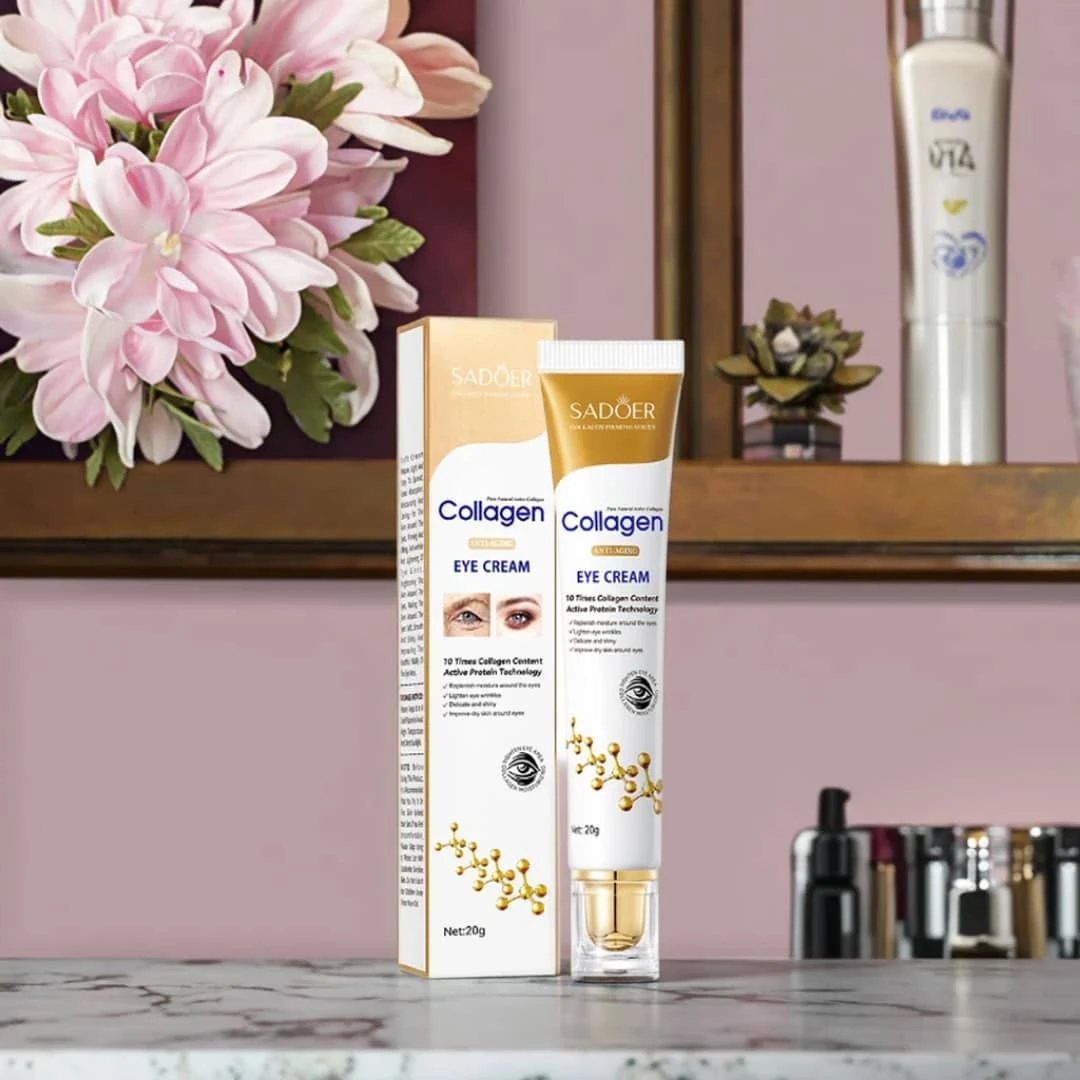
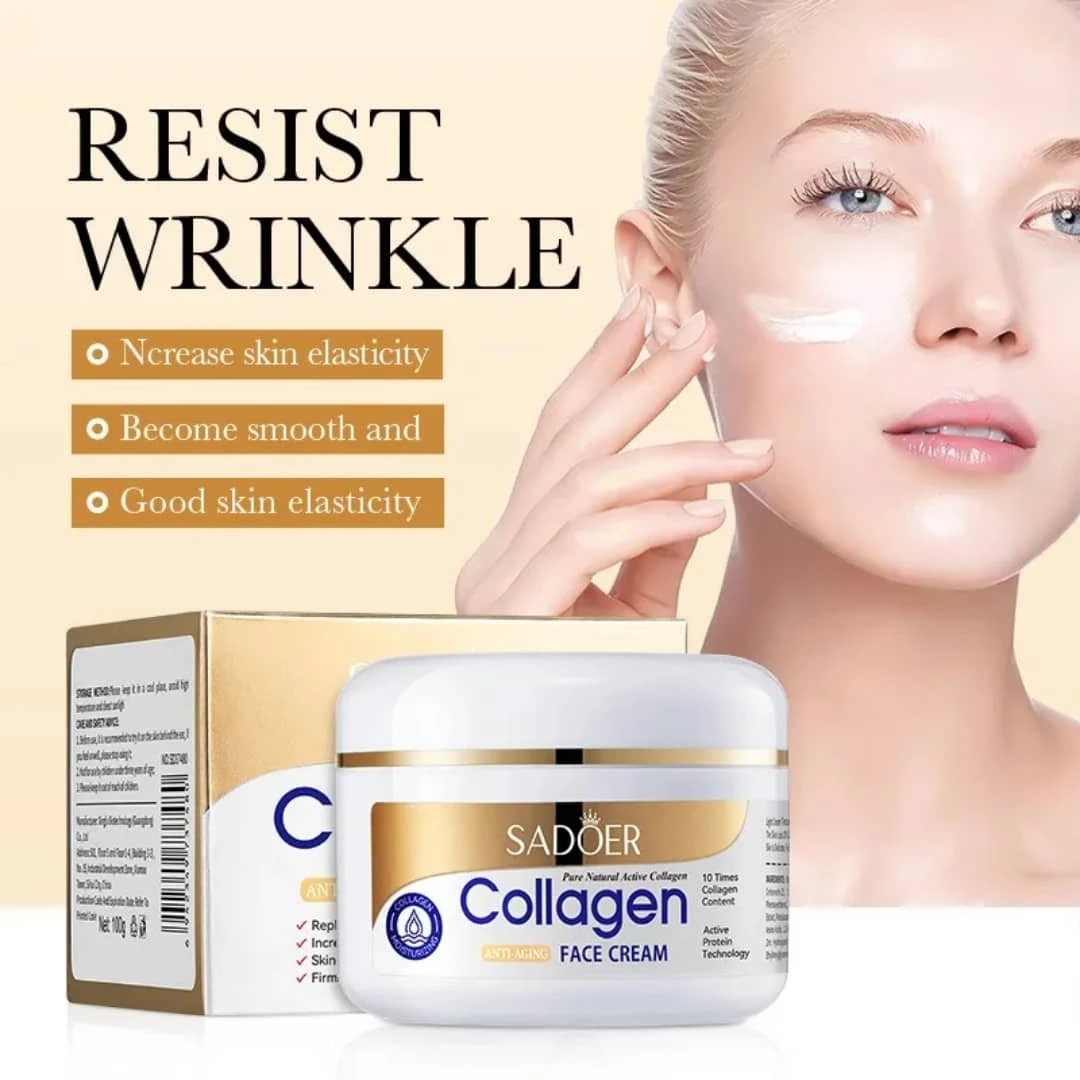
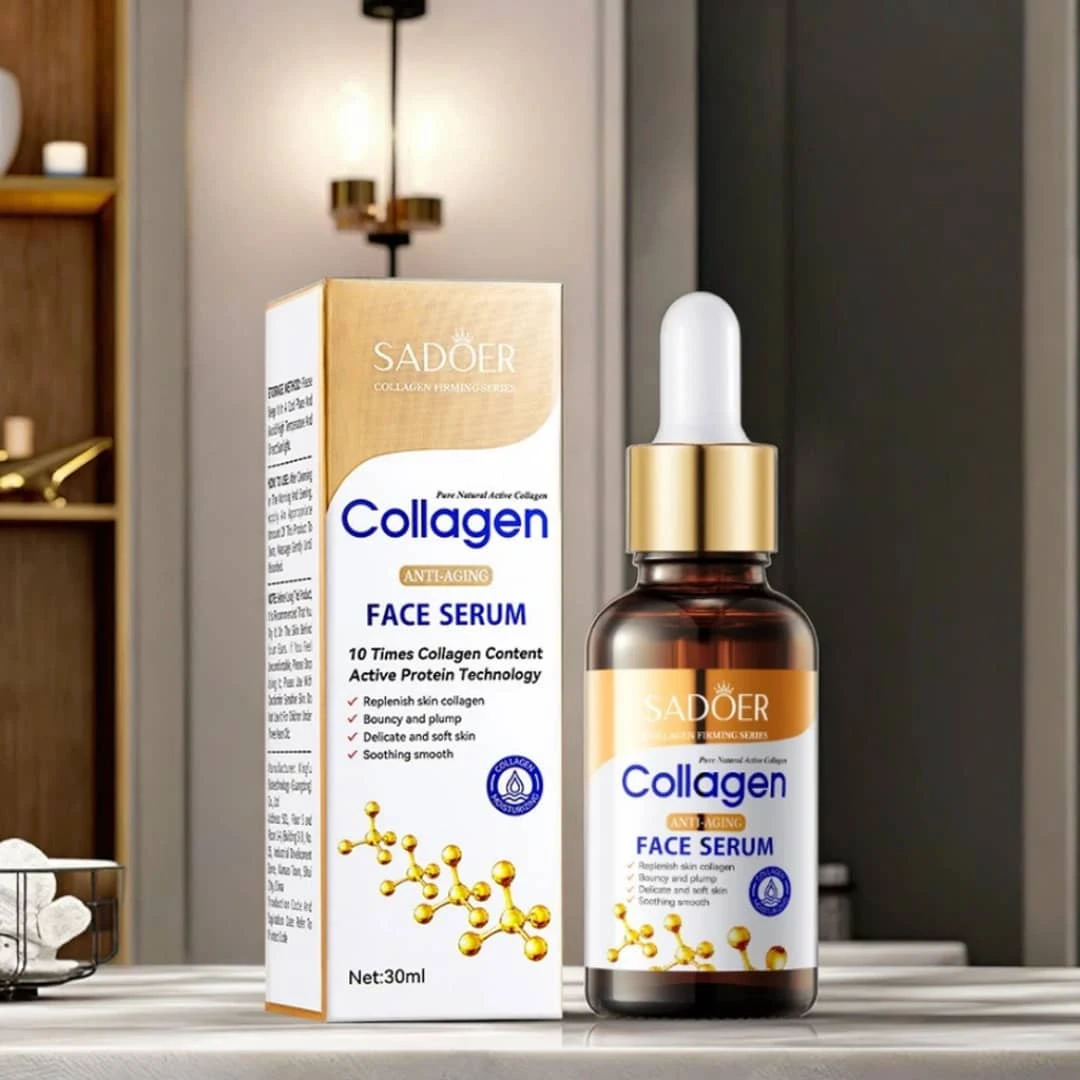
1. Collagen
What it is:
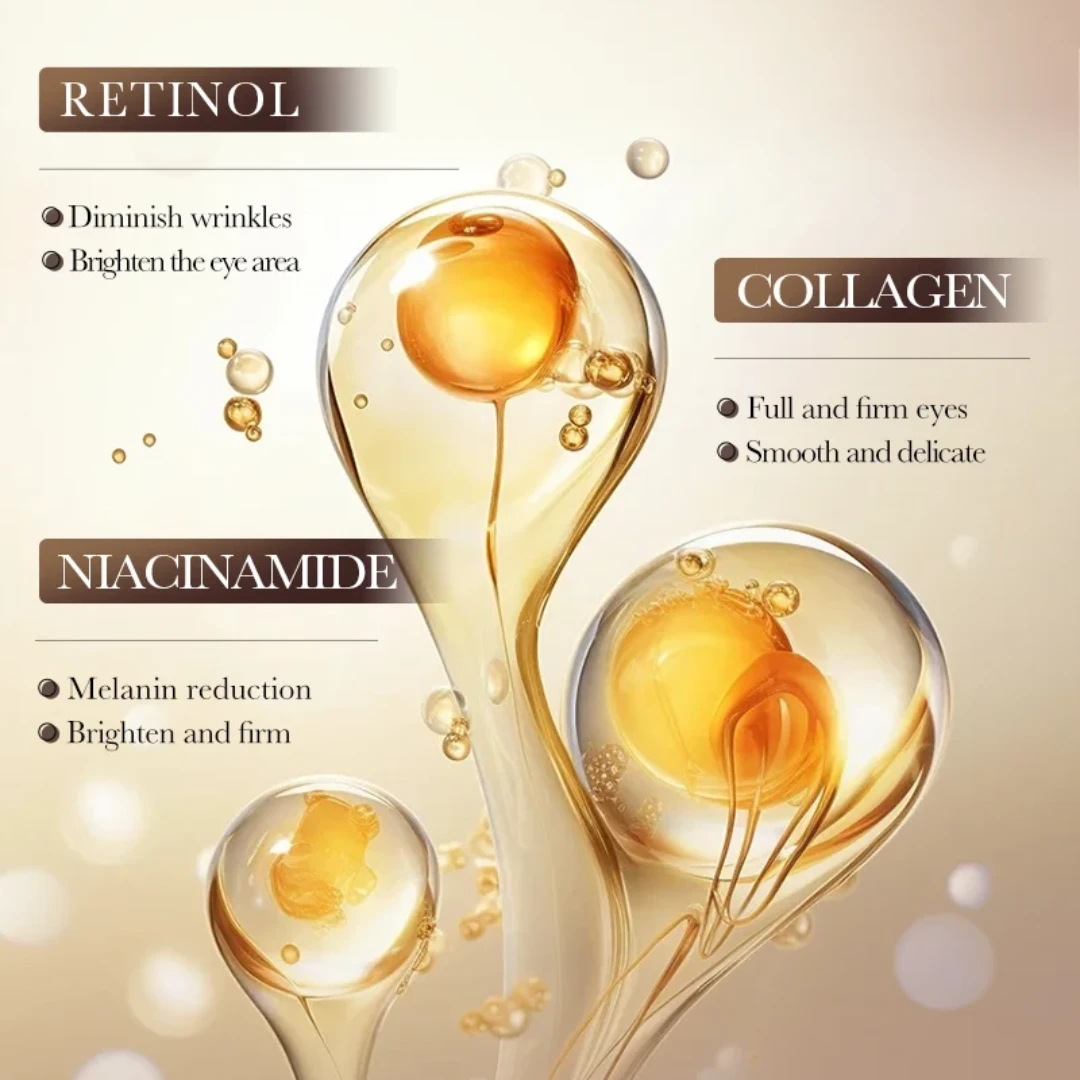
Collagen is the most abundant protein in your skin, forming a fibrous network that provides structure, firmness, and elasticity. Think of it as the scaffolding that holds your skin up. Natural collagen production declines with age, leading to wrinkles and sagging.
Primary Role in Skincare:
- Hydration & Plumping: Topical collagen molecules are typically too large to penetrate deeply and become part of your skin's structure. However, they are excellent humectants, meaning they draw moisture into the outer layer of the skin (stratum corneum). This instantly plumps the skin, smoothing out fine lines and giving a dewy appearance.
- Supporting the Skin Barrier: By hydrating the surface, it helps maintain a healthy skin barrier.
Key Benefits:
- Improves skin hydration
- Creates a smoother, plumper appearance
- Temporarily minimizes the look of fine lines
- Supports a healthy skin barrier
Limitation: Topical collagen cannot directly rebuild your skin's collagen matrix. For that, you need ingredients like retinoids and Vitamin C that stimulate your skin to produce its own new collagen.
2. Niacinamide (Vitamin B3)
What it is:
A versatile and well-tolerated water-soluble vitamin that addresses a wide range of skin concerns. It's known for its stability and compatibility with almost all other skincare ingredients.
Primary Role in Skincare:
- Barrier Repair: It boosts the production of ceramides and fatty acids, which are essential for a strong and healthy skin barrier. A robust barrier means better hydration and less irritation.
- Anti-Inflammation & Redness Reduction: It is excellent for calming inflammation, which makes it great for acne-prone and sensitive skin. It can reduce the redness associated with conditions like rosacea.
- Regulating Oil & Minimizing Pores: It can help regulate sebum production, leading to less shiny skin and the appearance of minimized pores over time.
- Antioxidant Protection: It helps protect the skin from environmental damage by fighting free radicals.
- Hyperpigmentation: It inhibits the transfer of pigment (melanin) to skin cells, helping to fade dark spots and even out skin tone.
Key Benefits:
- Strengthens the skin barrier
- Reduces redness and inflammation
- Minimizes the appearance of pores
- Evens out skin tone and fades dark spots
- Regulates oil production
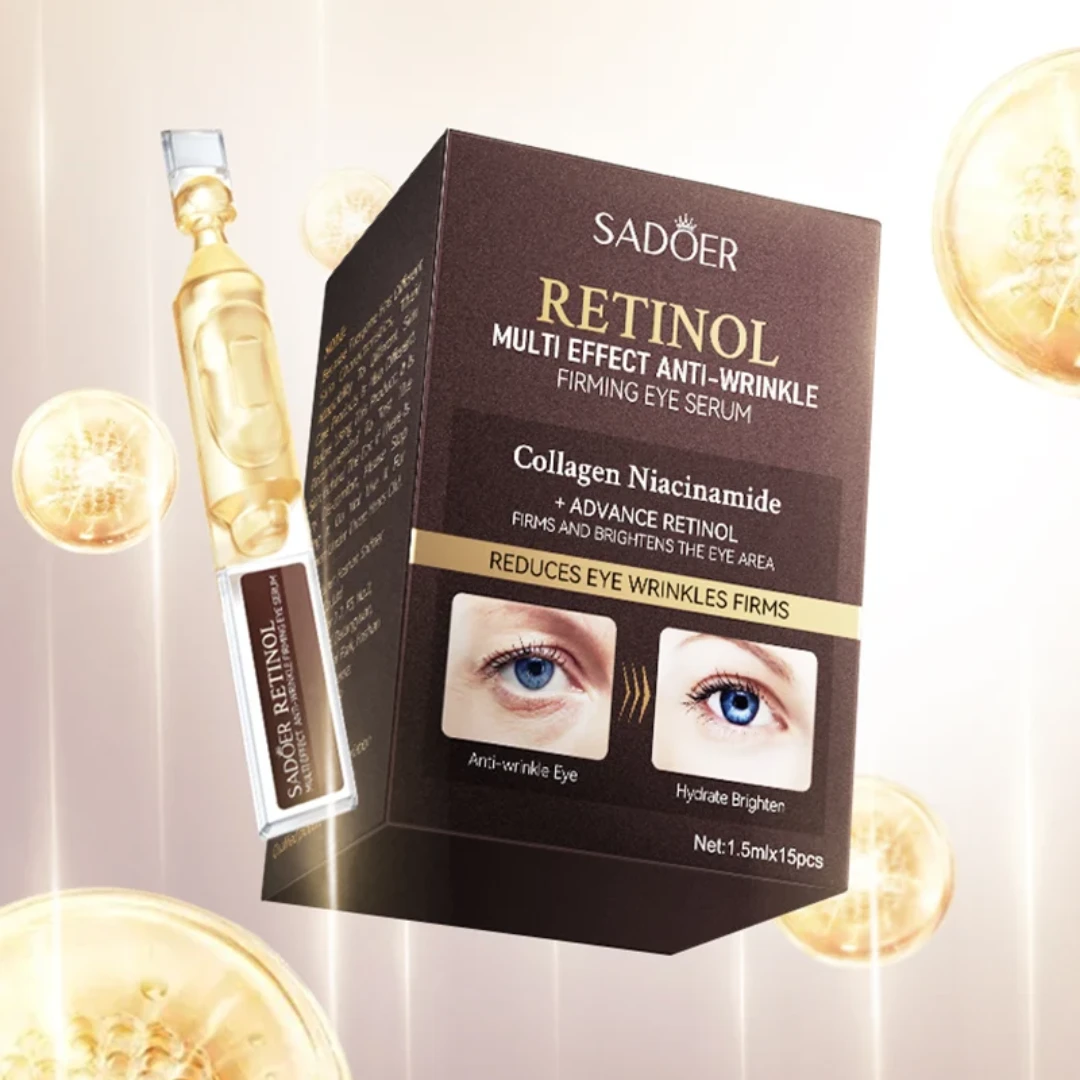
3. Advanced Retinoids (including Retinal / Retinaldehyde)
What it is:
"Advanced Retinoid" is a marketing term that typically refers to the most potent, well-tolerated, and efficient forms of Vitamin A available over-the-counter (OTC). This category includes Retinal (short for Retinaldehyde), which is a crucial step in the retinoid conversion chain.
The Retinoid Conversion Chain:
Retinyl Esters (Weakest) -> Retinol -> Retinaldehyde (Retinal) -> Retinoic Acid (Strongest - Prescription)
Primary Role in Skincare:
- Cellular Communication: Retinoids work at a cellular level by binding to receptors in the skin and "instructing" cells to behave in a younger, healthier way.
- Stimulating Collagen & Elastin: This is their superstar function. They directly boost the skin's production of new collagen and elastin, effectively fighting wrinkles and loss of firmness at the source.
- Cellular Renewal: They accelerate skin cell turnover, which helps shed dull, pigmented surface cells and reveal fresher, brighter skin underneath. This also helps unclog pores.
Why "Advanced Retinoids" like Retinal are Special:
- Potency: Retinal is one step closer to retinoic acid than retinol is, making it significantly more potent and effective than retinol, but typically more stable and tolerable than prescription formulas.
- Efficiency: It works faster than retinol because it has fewer steps to convert into the active form.
- Antibacterial: Retinaldehyde has inherent antibacterial properties, making it exceptionally good for acne-prone skin.
Key Benefits:
- Significantly reduces the appearance of fine lines and wrinkles
- Improves skin firmness and elasticity
- Evens out skin tone and texture
- Fades hyperpigmentation and post-acne marks
- Prevents and treats acne
How They Work Together in a Skincare Routine
This combination is powerful but must be used strategically to avoid irritation, primarily from the retinoid.
Synergistic Effects:
- Retinoid + Niacinamide: This is a classic pair. The retinoid drives cellular change but can cause irritation and compromise the skin barrier. Niacinamide steps in to strengthen the barrier, reduce redness, and calm inflammation, allowing you to use the potent retinoid more consistently.
- Retinoid -> Collagen: The retinoid does the "work" of stimulating your body to produce its own new collagen. The topical collagen then provides immediate surface-level hydration and plumping to complement this long-term structural improvement.
- Niacinamide + Collagen: Both support a healthy, hydrated barrier, creating the optimal environment for the retinoid to work effectively
 english




 Men's fashion
 Women's fashion
 Kid's Fashion
 Health & Beauty
 Home &kitchen
 Baby & Toddler
 Gift & Crafts
 Digital products
 Books & Stationery